The short answer
October – March: pleasant days (18–28°C), crisp mornings, the full Kartik devotional season in November, and manageable crowds on normal days. Holi (late Feb–Mar) and Janmashtami (Aug–Sep) are the two "come for the festival, tolerate the crowds" windows. April – June is brutally hot (45°C+ peaks) but cheap and empty. July – September is monsoon — humid, muddier, some low-lying ghat approaches flooded — yet sacred because it contains Janmashtami and is green and quiet.
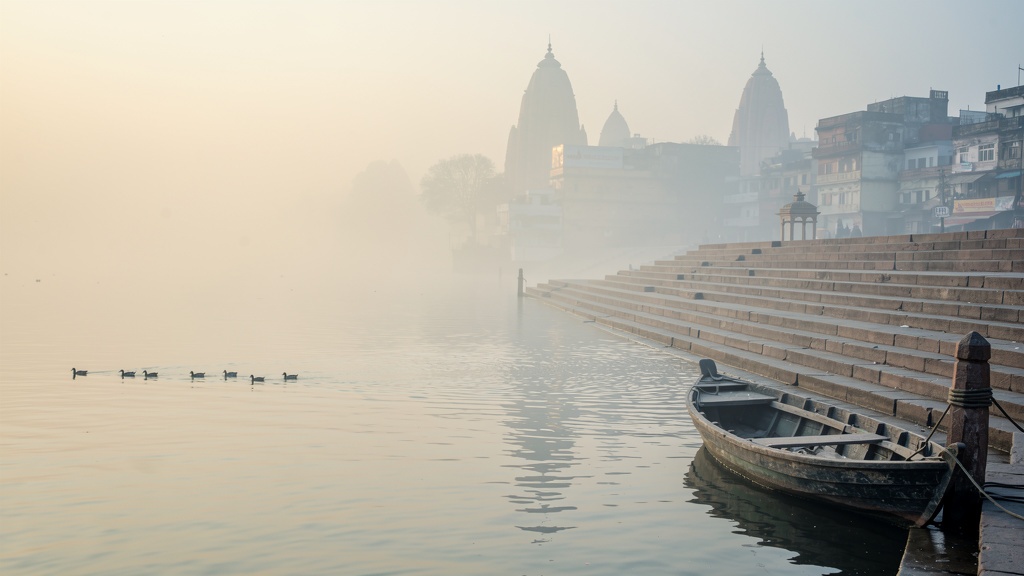
Month-by-month weather table
| Month | Temp (day) | Weather | Festivals & crowds |
|---|---|---|---|
| Jan | 8–21°C | Cold mornings, fog possible; pleasant by noon | Makar Sankranti (14 Jan) — crowds swell; fog can delay trains |
| Feb | 11–26°C | Warming, dry, lovely | Vasant Panchami; Holi prep begins — ideal month |
| Mar | 16–32°C | Hot days, warm nights | Holi + Lathmar Holi (Barsana) — the year’s peak chaos; book months ahead |
| Apr | 23–39°C | Hot and dry | Quiet; budget season |
| May | 28–44°C | Very hot; morning-only sightseeing | Empty temples, short darshan queues — but heat is brutal |
| Jun | 29–44°C | Pre-monsoon humidity rising | Quiet; some prefer remaining mountain options |
| Jul | 28–36°C | Monsoon begins; humid, green | Low crowds; jamun season; Yamuna rises |
| Aug | 27–34°C | Monsoon; festival build-up | Janmashtami (Aug–Sep) — huge crowds on the day; book trains early |
| Sep | 26–34°C | Monsoon easing; lush | Janmashtami spillover; Radhashtami — busy but verdant |
| Oct | 21–33°C | Monsoon gone; pleasant evenings | Sharad Purnima; comfort returns — great value |
| Nov | 14–29°C | Cool, dry, perfect | Kartik month — Vrindavan at its devotional peak; Dev Diwali (~Nov) is magical but crowded |
| Dec | 9–24°C | Cold nights; fog returns late month | Kartik winds down; calm, festive Christmas window |
The festival overlay — weather is not the whole story
Do not plan around temperature alone. Two dates dominate every year:
- Janmashtami (Krishna’s birth, Aug–Sep — 4–5 Sep 2026): Mathura’s biggest night. Temples stay open very late, Janmabhoomi queues run into hours, and the old city closes to vehicles from midday. This is peak pilgrimage — special, exhausting, unforgettable.
- Holi (Mar — Lathmar Holi in Barsana ~1–2 Mar 2027, main Holi ~4–5 Mar): colour takes over; streets, ghats and even your camera are at risk. It is the year’s biggest tourist draw after Janmashtami.
Between them, Kartik (Oct–Nov) quietly delivers the most complete devotional experience: dawn aartis at Vrindavan’s ghats, Nidhivan’s raas evenings, Govardhan parikrama at its fullest. For most first-time pilgrims, mid-October to mid-December is the ideal sweet spot.
Seasonal packing notes
- Oct–Mar: layers; a light shawl/wrap for dawn aartis; scarf for temples.
- Apr–Jun: light cottons, hat, electrolytes; sightsee only 6–10 am and after 5 pm.
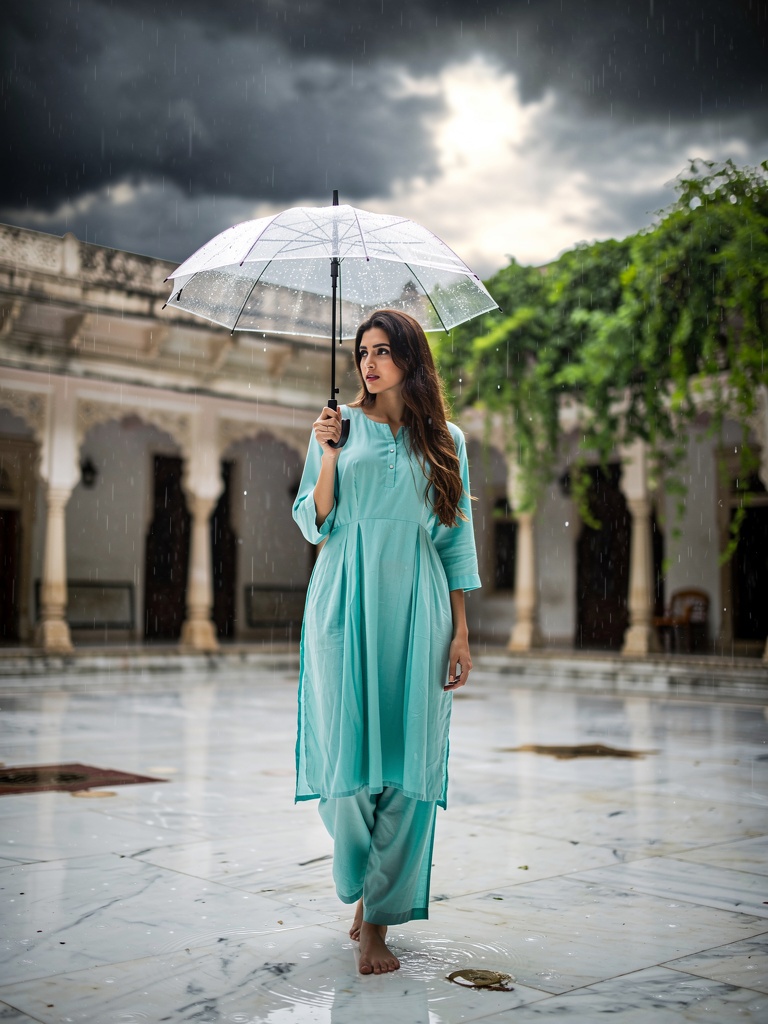
- Jul–Sep: umbrella, quick-dry clothing, waterproof phone pouch; check Yamuna levels before ghat visits.
- Holi: old clothes (colour stains permanently), protective eyewear, waterproof pouch, cotton with sleeves.
See the dated festival calendar → · Match your month to an itinerary →