What it is
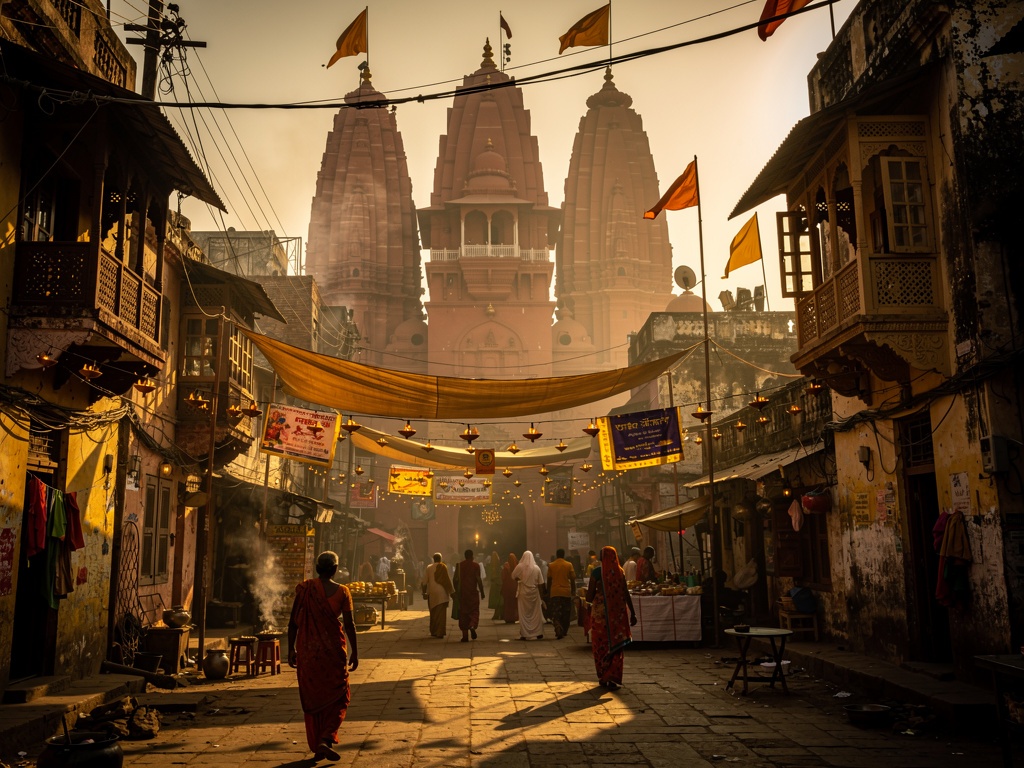
Dwarkadhish — Krishna as Lord of Dwarka — stands in Pushtimarg Haveli tradition, a temple that behaves like a royal residence: the deity is dressed, fed and rested on a daily schedule, and darshan happens in set windows. The current structure dates largely to the early 19th century, raised on an older site. It is grand inside the way old temples are grand — red sandstone, carved balconies, a courtyard that fills with sound at aarti.
Timings
| Darshan window | Notes |
|---|---|
| Mangala ~5:00 am | The earliest darshan; few crowds, incense-heavy. |
| Mid-morning | ~8:00–11:00 am; steady flow. |
| Midday closure | ~11:30 am – 4:00/5:00 pm (Pushtimarg seva break). |
| Evening | ~5:00–9:00 pm; evening aarti is the big moment. |
Jhulana — the swing festival
In Shravan (July–August), Dwarkadhish becomes the stage for Jhulana: the deity is placed on a decorated swing and gently rocked while devotees sing. It is one of Braj’s most beautiful seasonal traditions. Expect bigger than usual evening crowds through the Jhulana fortnight.
Visiting the lanes
- Walking: Janmabhoomi → Dwarkadhish is a ~10–15 min walk through dense old lanes; a rickshaw is barely faster and less atmospheric.
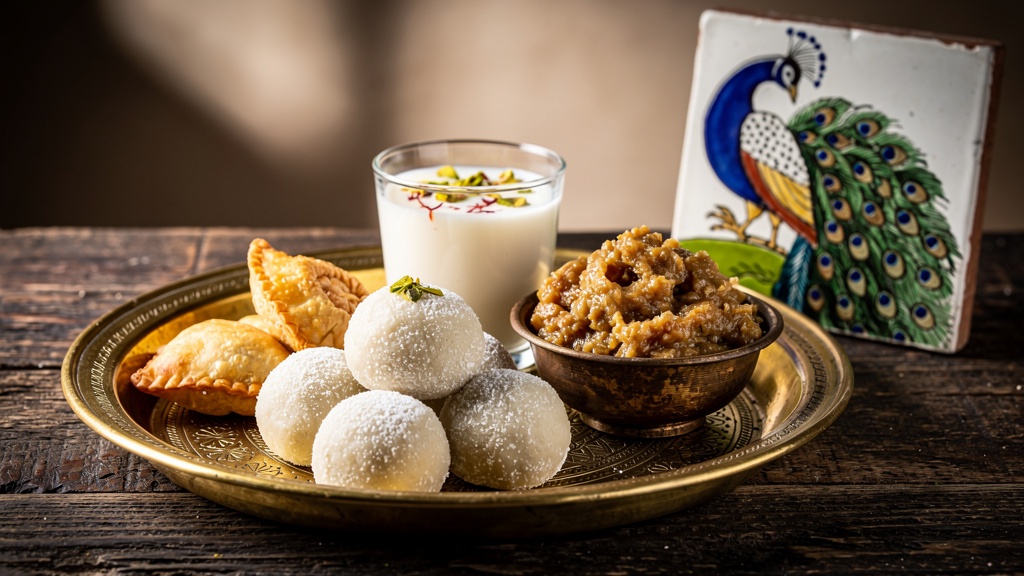
- Food: the classic loop is kachori-sabzi for breakfast, peda for the road, lassi to cool off. Shops crowd every corner — buy where the queue is local, not the most decorated sign.
- Continue on foot to Vishram Ghat (Yamuna) for the dusk aarti — the single best free evening in Mathura.
Lane realities
Old-city lanes are motorbike-busy, shoe-stall dense and easy to walk wrongly at night. Keep your phone in a front pocket, follow the crowd direction toward the ghat, and agree rickshaw fares before boarding.
Combine wisely
- Morning: Janmabhoomi → Dwarkadhish → brunch in the lanes.
- Midday: museum or rest (temples are closed).
- Evening: Vishram Ghat aarti; Prem Mandir lights if you are overnighting in Vrindavan.