Day 1 — Mathura old city
-
5:45 am · arrive
Janmabhoomi before the crowd
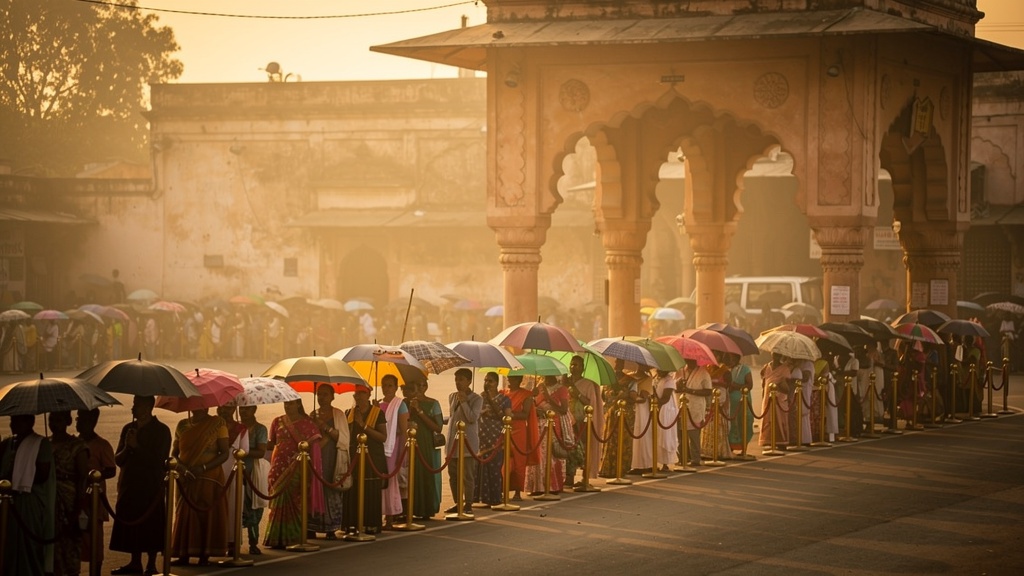
Be at the Janmabhoomi gate by 5:45–6:00 am. Phones and bags go in lockers at the entrance; expect a security queue even early. Darshan is calm, and you are out before the 8 am rush. Full Janmabhoomi guide →
-
8:00 am · walk 10–15 min
Dwarkadhish through the old lanes
Walk the haveli lanes to Dwarkadhish — this is the most atmospheric half-hour in Mathura. Darshan is open; pause for kachori-sabzi in the lane market afterwards. Dwarkadhish guide →
-
9:45 am · rickshaw
Gita Mandir & the morning buffer
A short ride to Gita Mandir’s marble Bhagavad Gita panels — calm, photogenic, rarely crowded this early. If the family is flagging, this is the easy skip.
-
12:00 pm · temples close
Government Museum Mathura (12–4 pm window)
The perfect use of closure time: two quiet hours with the Kushan–Gupta Mathura school — the Buddha images, the yakshis, the railing pillars. It changes how you read the temples you just saw. Museum guide →
-
2:00 pm
Lunch & rest at the hotel
Heat + early start = nap. This is where travellers who "cram" the afternoon collapse by evening; you will be fresh for the aarti instead.
-
5:30 pm · sunset
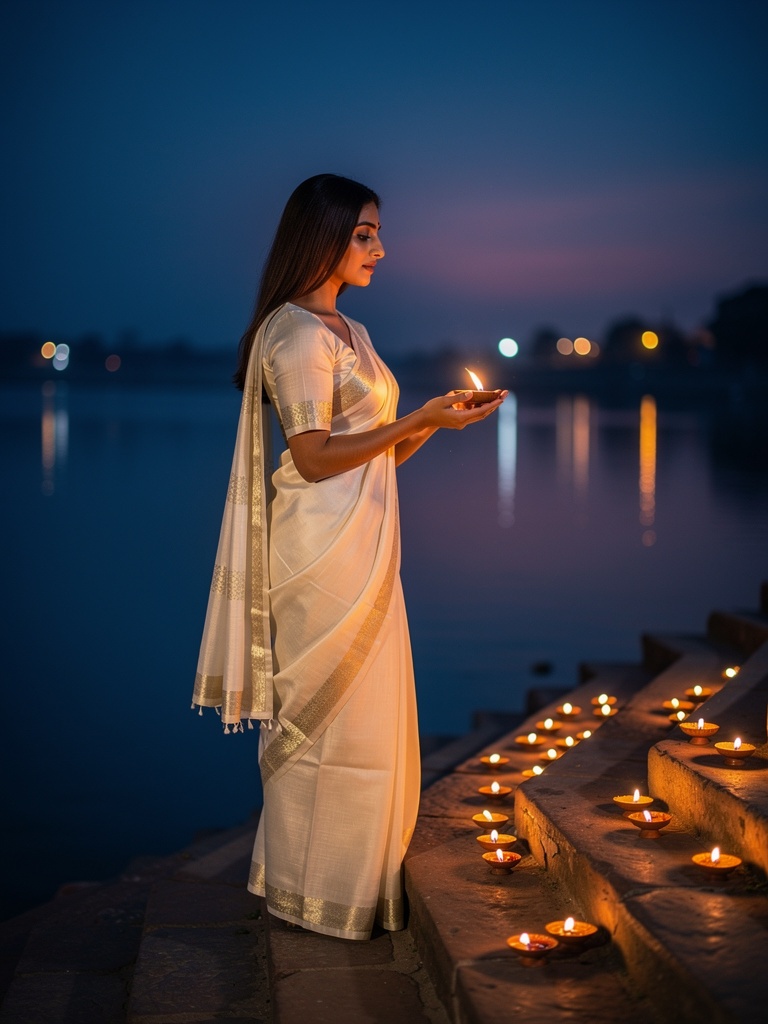
Vishram Ghat — Yamuna aarti
Take an e-rickshaw to the ghat by 5:15 pm, find a step, and watch the lamps and bells begin. The evening aarti here is the emotional centrepiece of Day 1. Boat rides are available but the steps give the best view.
-
7:30 pm
Dinner — peda & local thali
Old-city peda shops do their best trade after dusk; then a simple thali. Sleep early — Day 2 starts early too.
Day 2 — Vrindavan
-
7:00 am · start
Shuttle to Vrindavan (10–12 km)
Shared tempo or a pre-arranged auto from the hotel. On a weekday, 30–40 minutes; give yourself 45. Drop bags if needed — most visitors sleep in Mathura and day-trip Vrindavan, which works well.
-
8:00 am
Banke Bihari — first darshan
Phones, cameras, smartwatches: all at the counter. The morning darshan is the shortest queue of the day; even so, 20–60 minutes is normal. The curtain, the glimpse, the roar of Radhe Radhe — let it happen. Banke Bihari guide →
-
9:30 am · walk
Nidhivan & Seva Kunj
Around the corner: the walled garden of the raas-lila, ancient intertwining trees, and Seva Kunj where the night pastimes are said to continue unseen. Quiet, mysterious, utterly unlike the bazaar. Vrindavan guide →
-
11:30 am · lunch
Prasadam lunch (ISKCON or local)
ISKCON Krishna Balaram’s restaurant is clean, English-friendly and reliable; the entrance kiosk rolls are legendary. Or try the ghat-side eateries for kachori and lassi. ISKCON guide →
-
12:30 pm · temples closed
Old bazaar, rest, or the Yamuna ghats
Everything big is shut until ~4–5 pm. Walk Parikrama Marg bazaars (poshak, brass, radhe-radhe kurtas), or rest at a rooftop cafe — the serious temples reopen at five.
-
5:30 pm
ISKCON evening aarti & kirtan
Back at Krishna Balaram for the 7 pm sandhya if you want full atmosphere — or skip straight to the finale below if you are evening-train-bound.
-
7:30 pm · the finale
Prem Mandir light & sound
Arrive 20 minutes early for courtyard seats. The marble turns gold, the audio-visual Krishna-lila begins, and every photographer in Braj is suddenly your friend. The most photographed night in Vrindavan, and the right way to end two days. Prem Mandir guide →
-
9:30 pm
Return to Mathura / station / Delhi
Last tempos thin out after 9; book a private auto to MTJ if taking a late train back to Delhi.
Practical notes for this plan
- Base: Mathura (near Janmabhoomi or the station) for Day 1; everything in Day 2 is reachable from the same base. See where to stay.
- Walking in Mathura old city: Janmabhoomi–Dwarkadhish is ~1 km of lanes; comfortable in sports shoes, tough in sandals.
- Money: lockers at Janmabhoomi and Banke Bihari take small cash fees; lassi and peda vendors prefer cash; most hotels accept UPI.
- What to wear: covered shoulders + below knee; a dupatta/shawl for early morning and temple visits. See FAQ.
- Print or save this page offline — 4G is patchy inside Janmabhoomi’s security zone and inside Banke Bihari’s no-phone perimeter.